

Scroll through TikTok, Instagram Reels, YouTube Shorts, or X for more than five minutes and you’ll notice a pattern. The videos with the most comments, the most reposts, and the most outrage almost always revolve around politics, controversy, or division.
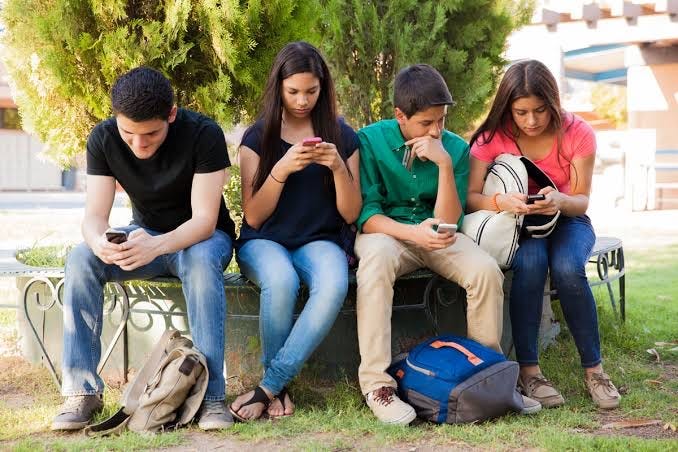
Today, one of the fastest ways to gain attention online is not through talent, creativity, or originality; it’s through political conflict.
And teenagers know it.
A generation raised on algorithms has learned that outrage spreads faster than positivity. Young creators are discovering that the quickest way to build an audience is to take a side, make bold statements, and provoke reactions. Whether they fully believe what they are saying or not almost becomes irrelevant. The engagement is what matters.
The modern internet rewards emotional intensity.
Social media platforms are designed around interaction. Every comment, argument, repost, and stitched response tells the algorithm that content is “important.” The problem is that calm and reasonable discussions rarely generate the same numbers as anger and controversy. As a result, the most extreme voices often rise to the top.
For teenagers growing up online, this creates a dangerous cycle.
Many young people no longer see politics as a serious responsibility or a topic requiring research and understanding. Instead, politics becomes content. It becomes branding. It becomes entertainment. People choose sides the same way previous generations chose favorite sports teams or music artists.
The consequences are already visible.
Friendships are being damaged over online opinions. Students are becoming afraid to speak honestly unless they know their views match the majority around them. Some teens feel pressured to adopt louder and more radical opinions simply because moderate voices disappear in algorithm driven spaces.
Social media has transformed disagreement into performance.
Instead of conversations, we now see debates designed for clips and reactions. Instead of listening, people wait for moments to “win.” The goal is no longer understanding; it is visibility.
And visibility pays.
Views become followers. Followers become sponsorships. Sponsorships become income. For many young creators, controversy is not just expression anymore; it is strategy. Political content often grows faster because it guarantees emotional responses, and emotional responses keep people watching.
This affects more than just online culture. It affects the emotional environment of an entire generation.
Young people are constantly exposed to anger, fear, panic, and division every time they open their phones. Many teens spend hours every day consuming content centered around conflict. Over time, this shapes how they see the world. It can make society appear more hostile, more divided, and more hopeless than it actually is.
A generation that is constantly told to be angry will eventually struggle to find peace.
That does not mean politics should disappear from social media. Political discussion matters. Important conversations need to happen, especially among younger generations. But there is a difference between informed discussion and algorithmic outrage.
Right now, the internet often rewards the loudest voice instead of the wisest one.
The challenge for this generation is learning how to think independently in a world designed to manipulate attention. The algorithm profits from division, but real life suffers from it.
Maybe the real rebellion today is not becoming louder.
Maybe it is learning how to stay thoughtful in a culture that rewards outrage.
Maybe it is choosing understanding over virality.
And maybe the most important question young people should ask themselves is this:
If social media stopped rewarding political outrage tomorrow, how many influencers would still believe what they are saying?